KUKLA'S KOUZINA


  • home
  • BOOKS
  • blog
  • about
  • videos
  • gallery
  • contact us
  • kouzina EXTRA!
  • events

Mediterranean Diet Resolution Recipes: Fats, Fiber, and Flavor

1/21/2019

0 Comments

 
Picture
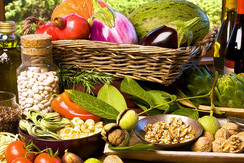
This week, the triple Fs—healthy fats, fiber, and flavor—are the next stop on our Mediterranean-diet recipe journey.

​This recipe blog is a companion to part 3 of our Mediterranean Diet Resolution: Fats, Fiber, and Flavor blog, and features recipes that contain these amazing elements that will have you saying, More please!

healthy fats

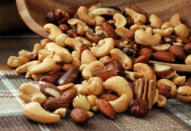
Olive oil (virgin and extra-virgin ​), because it’s a fruit oil, is an antioxidant food and a must-have staple in the Mediterranean Diet. Nuts contain unsaturated fatty acids, as well as other nutrients.

filling fiber

Fiber has a ton of benefits, including helping you loose weight by making you feel full. Legumes, fruit, and vegetables are excellent sources of fiber.
​
Picture
Chickpea Salad with Walnuts and Grapes
This delicious main-course or side-dish salad is packed with the power of healthy fats and fiber.
 
TOTAL PREP TIME: 20 minutes
MAKES: 6 servings
 
CITRUS DRESSING
1/2 cup extra-virgin olive oil, plus more for serving
2 tablespoons freshly squeezed lemon juice
2 tablespoons freshly squeezed orange juice
1/2 teaspoon fine sea salt
1/4 teaspoon freshly ground pepper
 
SALAD
2 cans (15.5 oz each) chickpeas, drained and rinsed
2/3 cup seedless red grapes, halved
1/2 cup diced seedless cucumber
1 plum tomato, diced
1 scallion, finely chopped
 
2 cups (packed) organic spinach or kale leaves
1/2 cup chopped walnuts, lightly toasted
Fresh mint leaves, for garnish
 
1. Make Citrus Dressing: In a small bowl, whisk together the oil, lemon juice, orange juice, salt, and pepper; set aside.
 
2. Make salad: In a medium bowl, mash half of the chickpeas, then add the remaining chickpeas, grapes, cucumber, tomato, and scallion; stir until combined. Toss with the dressing and refrigerate for 1 hour before serving.
 
3. To serve: Divide the spinach/kale leaves among 4 shallow serving bowls. Plate the chickpea salad in the center of the leaves, sprinkle with walnuts, and drizzle with oil. Garnish with mint leaves, if desired.

nourishing flavor

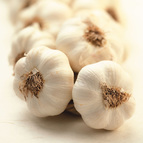
Herbs and spices are great for flavoring your meals and allow you to cut back on salt. At the top of our herb list is garlic, the star ingredient in the famed dip Skordalia.
​
Picture
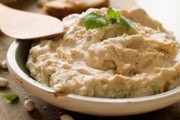
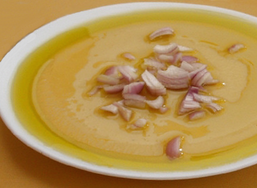
Skordalia
This garlic sauce/dip can be served as an appetizer with vegetables, over fish, or alongside cooked vegetables. Everyone’s taste is different, so if you like the taste of more lemon or feel like there’s no such thing as too much garlic, adjust amounts to what tastes good to you.
 
PREP TIME: 20 minutes
COOK TIME: 15 minutes
MAKES: about 3 cups
 
2 medium russet potatoes (1 pound), peeled and cut into 1-inch cubes
Fine sea salt
1/2 cup pine nuts, lightly toasted
4 garlic cloves, or more/less to taste
1/4 cup freshly squeezed lemon juice, or more to taste
2 tablespoons white vinegar
3/4 cup extra-virgin olive oil
Freshly ground pepper
1 small red onion, thinly sliced, for garnish
 
Vegetables, for serving
 
1. Place the potato in a large saucepan, add ½ teaspoon salt, and fill with enough water to cover by 2 inches. Bring to a boil, then reduce heat to medium-low and cook until the potato is fork tender, 10 to 15 minutes. Reserve 2 tablespoons cooking water, then drain the potatoes well. Return potatoes to the saucepan and cook over medium-low heat until potatoes are dry. Remove from heat and pass through a ricer or thoroughly mash; set aside.
 
2. In a food processor, combine the nuts, garlic, lemon juice, and vinegar. Pulse until the mixture becomes a thick paste. Season with salt. Add the potato to the garlic paste and process until combined well. While the processor is running, slowly pour in the olive oil and process until lightened in color. If the skordalia is too thick, stir in some of the reserved potato water. Season with salt and pepper, to taste. (Can be made ahead. Cover and refrigerate up to 1 week.) Serve at room temperature or slightly chilled with vegetables. Garnish with red onion, if desired.
 
Recipes by Kelly Salonica Staikopoulos
Copyright © 2019 Kukla's Kouzina: A Gourmet Journey~Greek Island Style
  
 
Refer to our Mediterranean Diet Resolution: Fats, Fiber, and Flavor blog for the basics on these essential elements and for food suggestions, introducing a healthy Greek lifestyle for your New Year. 

I hope you enjoyed this week’s fats, fiber, and flavor recipes and that they help make your New Year’s resolution one you enjoy keeping. Join us next week as we take on the final installment of our Mediterranean-diet recipes that will help satisfy your sweet tooth as you map out your way to Greek-eating success.
 
Sign up for our e-newsletter (if you haven’t already) and stay connected on social media for cooking tips and recipes, as well as for all Kukla's Kouzina updates and news.
 
Thanks for following us and we’ll see you next Monday.
 
Until then~
Kali orexi! Good appetite!
 
Kelly

Bookmark and Share

​Copyright © 2019 Kukla's Kouzina: A Gourmet Journey~Greek Island Style / The Naked Truth About...Greek Cooking!    
 
Web design by Kelly Salonica Staikopoulos
0 Comments

Mediterranean Diet Resolution Recipes Omega-3s

1/14/2019

0 Comments


eat Greek and feel great!

The Mediterranean Diet is multi faceted, and one of its key elements is Omega-3 fatty acids. These are fats that are actually good for you.
 
This week we’ll take a ride on the Alpha-and-Omega fast track to incorporating these healthy Omega-3s into your meals in simple and yummy ways.
 
This recipe blog is a companion to part 2 of our Mediterranean Diet Resolution: Power up with Omega-3s blog featuring the good-fat recipes that will get you on your way to a healthy and happy new you!

taste the omega-3s!

​SEAFOOD—the fatty kind, like salmon—is the best source of omega-3s. Aim for at least 2 to 3 servings (one serving can be just 3 oz) per week. Adding leafy-green vegetables to meals boosts your intake of these amazing fatty acids.
Picture
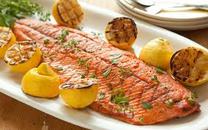
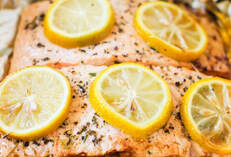
Greek-Style Roasted Salmon Fillets with Greens
This dish has it all—lemon, dill, garlic, veggies—in a one-meal package!
 
PREP 10 minutes
BAKING about 30 minutes
MAKES 4 servings
 
¼ cup olive oil, plus more for pan
3 tablespoons chopped fresh dill, plus sprigs for garnish
2 garlic cloves, finely chopped
¾ teaspoon sea salt
¼ teaspoon freshly ground pepper
¼ teaspoon dried thyme
1 pint Brussels sprouts, cut into quarters
1 bunch kale or collard greens, stems removed, cut into 1-inch pieces
4 (3 to 5 ounces each) salmon fillets
2 tablespoons fresh lemon juice
1 large lemon, cut into thin slices, plus wedges for serving
 
1. Heat oven to 450°F. Line a 13-by-9-inch baking pan with heavy-duty foil, then coat with olive oil. In a small bowl, combine the olive oil, dill, garlic, salt, pepper, and thyme.
 
2. Toss the vegetables with 2 tablespoons of olive-oil mixture and spread out evenly in the prepared pan. Roast about 20 minutes, until sprouts are just fork tender and greens are wilted.
 
3. Place the fillets, skin side down, over the vegetables and evenly coat the fillets with the remaining olive-oil mixture. Sprinkle lemon juice over the fillets and vegetables. Top the fillets with the lemon slices.
 
4. Roast for 8 to 10 minutes, until the fillets flake easily with a fork. Serve immediately with lemon wedges on the side and garnish with dill sprigs, if desired. ​

​
NUTS—like walnuts or flaxseeds—and BERRIES offer a healthy dose of omega-3s. Adding them to oatmeal boosts your Mediterranean diet with heart-healthy fiber!
Picture
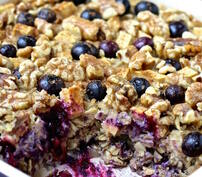
Baked Oatmeal with Berries
Not just for breakfast, this recipe is portable and makes a great on-the-go snack, and feel free to add it to your list of guilt-free desserts.
 
3 cups old fashioned rolled oats (not quick cooking)
2 tablespoons flaxseed meal
2 teaspoons baking powder
¼ teaspoon sea salt
1 teaspoon cinnamon
¼ teaspoon nutmeg
2 tablespoons honey
2 tablespoons maple syrup
2 large eggs
1 cup unsweetened almond or coconut milk (or a combination)
½ cup unsweetened applesauce
¼ cup coconut oil, melted
1 teaspoon pure vanilla extract
¼ cup chopped walnuts, lightly toasted
1 ½ cups fresh berries, divided
 
1. Heat oven to 350°F. Grease a 9-by-9 square baking pan with vegetable cooking spray.
 
2. In a medium bowl, combine the oats, flaxseed meal, baking powder, salt, cinnamon, and nutmeg.
 
3. In a microwave-safe cup, microwave together the honey and maple syrup on High about 10 seconds, until warm. Stir to combine and set aside.
 
4. In a large bowl, lightly beat the eggs, then whisk in the milk, applesauce, coconut oil, and extract. Whisk in the maple-honey mixture until combined.
 
5. Add the oatmeal mixture to the egg-milk mixture and stir just until combined. Fold in the walnuts and ¾ cup berries.
 
6. Pour the batter into the prepared pan and bake for 25 to 30 minutes, until golden brown and the center is just set. Cool to warm or room temperature before cutting into squares. Top with the remaining ¾ cup berries just before serving.

Recipes by Kelly Salonica Staikopoulos
Copyright © 2019 Kukla's Kouzina: A Gourmet Journey~Greek Island Style

​
Refer to our Mediterranean Diet Resolution: Power up with Omega-3s blog for the basics on omega-3s and food suggestions, introducing a healthy Greek lifestyle for your New Year. 
 
I hope you enjoy this week’s omega-3 recipes and that they help jumpstart your healthy New Year lifestyle. Join us next week for level 3 of our Mediterranean-diet recipes featuring good fats and fiber.
 
Sign up for our e-newsletter (if you haven’t already) and stay connected on social media for cooking tips and recipes, as well as for all Kukla's Kouzina updates and news.
 
Thanks for following us and we’ll see you next Monday.
 
Until then~
Kali orexi! Good appetite!
 
Kelly

Bookmark and Share

​Copyright © 2019 Kukla's Kouzina: A Gourmet Journey~Greek Island Style / The Naked Truth About...Greek Cooking!    
 
Web design by Kelly Salonica Staikopoulos
0 Comments

Mediterranean Diet Resolution Recipes

1/7/2019

0 Comments


Greek up your kouzina lifestyle!

Picture
Deemed one of the world’s healthiest ways to eat, the Mediterranean diet is also a great way to loose weight while adopting a delicious lifestyle. Salmon, olive oil, almonds, and red wine are just some of the key foods in this cuisine.

​Greece, especially Karpathos (the island where we’re from), is surrounded by water, so fish is plentiful, making it the country’s main source of protein. Greeks eat more lower-fat plant proteins (such as nuts, seeds, and legumes) and fewer high-fat meats. Whole foods are the norm and processed foods are frowned upon. Daily meals include whole grains, healthy fats (like omega-3s), and fresh vegetables and fruits are in abundance. And lets not forget the red wine!
 
This blog is a companion to part 1 of our Mediterranean Diet Resolution blog featuring recipes that will get you on your way to a healthy and happy new you!

my big fat Greek pantry

​Following are a couple of staples no self-respecting Greek would ever be without. If you want to cook like a healthy Greek, you have to stock up like one.
 
Lemon
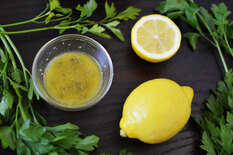
Though this isn’t a spice or herb, it’s necessary to mention because just about everything in Greek cooking has lemon in it and it adds iconic flavor. Bottom line, lemons are to Greek cuisine like curry is to Indian food. You’ll find lemon mostly combined with the other Greek essentials of olive oil, oregano, and garlic. Together, these four flavors can turn ordinary food into a Greek dish—poultry, fish, lamb, tomato salad, artichokes, avgolemono soup, sauces, and so much more—and the result will make you a hero in your own kitchen. Our favorite uses include ladolemono (olive-oil and lemon dressing, λαδολέμονο, pronounced lah-thoh-LEH-moh-noh): Toss with cooked broccoli or spinach; combine with oregano and garlic to marinate lamb and roast with potatoes; combine with parsley to dress grilled/broiled fish. Growing up, our mom gave us cold lemon juice for nausea and warm juice for diarrhea. It worked every time and we’re never without lemons in our fridges! So when life hands you lemons, be Greek about it!
Picture
LADOLEMONO
½ cup extra-virgin olive oil
¼ teaspoon grated lemon zest (optional)
¼ cup freshly squeezed lemon juice
2 tablespoons to ¼ cup chopped fresh flat-leaf parsley (for fish dishes)
 
In a large bowl, w​hisk together the olive oil, zest (if using), and lemon juice until emulsified. For fish dishes, stir in the parsley (to taste) just before serving. Use about 2 tablespoons dressing per serving, tossing to combine with vegetables. Pour over fish just before serving. Store dressing (without parsley) in an airtight container in the refrigerator up to 2 weeks.

Garlic
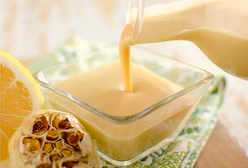
No matter how you slice, chop, crush or mash it, ya gotta have garlic when it comes to making skordalia (garlic dip, σκορδαλιά pronounced skor-thah-LIAH), slow-roasted lamb, lentil soup, and a ton of other dishes. In Greek cooking, its usual companion is lemon juice or vinegar, which balances out the flavor of each dish perfectly. Eating garlic also helps to ward off a cold and lower cholesterol.
Picture
​GARLIC LADOLEMONO (for marinating or serving with grilled/broiled vegetables, pork, lamb, or chicken)
 
3 to 5 cloves unpeeled garlic (to taste)
1 cup plus 1 tablespoon extra-virgin olive oil, divided
½ cup freshly squeezed lemon juice
​1 teaspoon mustard
2 tablespoons chopped fresh thyme
2 teaspoons fine sea salt
½ teaspoon freshly ground pepper
 
1. Heat the oven to 400°F. Place garlic cloves on a cookie sheet and toss with 1 tablespoon olive oil to coat. Roast for 15 to 20 minutes, until fragrant and golden brown (do not burn). Let stand until cool enough to handle, then peel and mash. Set aside.
 
2. In a large bowl, whisk together the mashed garlic, lemon juice, mustard, thyme, salt, and pepper until combined well. While whisking, slowly pour in the remaining 1 cup olive oil, whisking until emulsified. Store dressing in an airtight container in the refrigerator up to 2 weeks.

Recipes by Kelly Salonica Staikopoulos
Copyright © 2019 Kukla's Kouzina: A Gourmet Journey~Greek Island Style


I hope you enjoy cooking and eating the classic Greek way, and that these recipes help bring a healthy lifestyle into your New Year. Join us next week for level 2 of our Mediterranean-diet recipes featuring omega-3s.

​Refer to our Mediterranean Diet Resolution blog for our plan and suggestions, introducing a healthy Greek lifestyle for your New Year.
 
Sign up for our e-newsletter (if you haven’t already) and stay connected on social media for cooking tips and recipes, as well as for all Kukla's Kouzina updates and news.
 
Thanks for following us and we’ll see you next Monday.
 
Until then~
Kali orexi! Good appetite!
 
Kelly
Bookmark and Share

​Copyright © 2019 Kukla's Kouzina: A Gourmet Journey~Greek Island Style / The Naked Truth About...Greek Cooking!    
 
Web design by Kelly Salonica Staikopoulos
0 Comments

Greek Olive Oil Varieties~choosing and cooking

9/3/2018

7 Comments


Olive Oil Odyssey

Picture
If you’re into Greek cooking (or eating), you know olive oil is good for you…or at least you’ve heard it was. Olive oil has been consumed in Greece since about 3500 B.C. and remains one of the most valued oils today for good reason, or should I say reasons?

health
Olive oil (extra virgin) contains monounsaturated fatty acids (MUFAs). The health benefits from MUFAs in extra-virgin olive oil include reducing the risk of heart disease, lowering overall cholesterol, benefiting those with type 2 diabetes, and can assist in cancer prevention. Olive oil also has anti-inflammatory properties. Preparing foods using olive oil instead of butter or margarine can help make you healthier on the inside. In addition to eating, ancient Greeks applied it (in small amounts) directly to the skin and hair to moisturize and protect from the elements, making them more beautiful on the outside.

Picture
choosing
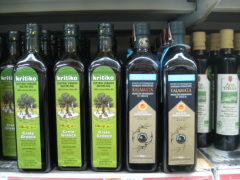
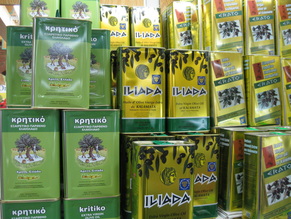
Since you’re totally into olive oil and the whole Mediterranean-diet thing, you’re ready to set out on a journey to buy that special olive oil that will add flavor, and good health, to your life. Once at the market, you make a beeline for the oil aisle. You’re now standing in front of the olive oils, your eyes widen, your mouth drops open and you suddenly realize you need a GPS to figure out which direction to go in. The choices are so seemingly endless—cold-pressed, unfiltered, extra virgin, pure, light—that you end up wondering if you should grab the prettiest bottle or just run for the exit. (NOTE: Good olive oil does NOT come in plastic. Look for glass bottles or cans.) 

Picture
Your quest for the perfect olive oil for your needs ends here with a basic OO rundown, including various uses for each, so you can stop the guesswork and start drizzling, pouring, and dipping.

Olive oils are categorized based on their degree of acidity. The lower the acidity, the more fruity and flavorful the oil. When you see “cold-pressed” on the label it means the oil was extracted from the olives using a chemical-free process (applying only pressure), producing a natural, low-acidity level—a good thing! “Unfiltered” means that the oil did not undergo a filtering treatment, leaving tiny particles of olive fruit (the gist) in the oil, which translates into more flavor in the oil and less handling when it comes to processing—a purist’s dream!

Extra virgin olive oil, the cold-pressed, first pressing of the olives, is 1 percent or less acid (the lowest acidity of all the olive oils). This is the fruitiest and most expensive olive oil so you wouldn’t use it much for cooking (high heat/frying can break down the flavor so it would be a waste) but it’s the ONLY oil you’d want to eat raw, like on salads, drizzled over cooked foods, and for dipping (think fresh, crusty bread!).

Virgin olive oil is also a first press oil but with a slightly higher acidity of 1 to 3 percent. Good for low- or medium-heat cooking (when you want the flavor of the olives in your food) and eating raw (though not as flavorful as extra virgin).

Fino olive oil is an extra-virgin and virgin blend. Also good for low- or medium-heat cooking and eating raw.

Olive oil or pure olive oil is a blend of refined olive oil (chemicals are used to extract the oil from the olives) and virgin or extra virgin. Not so “pure,” huh? The chemicals are enough of a reason to stay away from this one!

Light olive oil is lighter in color and olive flavor because it has undergone an extremely fine filtration process, which gives it a higher smoke point, making it ideal for high-heat frying. Because of its bland flavor, it’s perfect for the kind of baking or cooking where a more flavorful olive oil would be overpowering. If you want the benefits of olive oil but not the rich taste, then this is the all-purpose oil for you.

Our Kukla’s basic rule of thumb was “the darker green the color is, the better the olive oil will be.” She was right of course! The deeper the color, the more intense the olive favor. But sometimes it’s hard to tell as some bottles are tinted to protect the oil from light, which can cause it to oxidize and loose its fruity flavor and health-promoting nutrients. In ancient times, olive oil was stored in animal skins, which was great for protecting it from the elements but, because of its contact with an animal product, it was a restricted food when fasting or during Lent, a practice/tradition still observed to some extent by the Greek Orthodox church today.

olive oil fraud
The sale of fake extra-virgin olive oil has been a major issue of late. The phony olive oil is usually diluted with inexpensive soybean or sunflower oil, or it’s combined with chemically-refined olive oil. To find out if your EVOO is real, refrigerate it overnight. If it solidifies in the refrigerator, it’s most likely the real deal (unless it was mixed with a lower grade olive oil). Genuine olive oil smells and tastes fresh and vibrant, so go with your senses! Check out the Olive Oil Times for more on this subject.

Picture
regions
The best olive oils are imported and the primary countries  they come from are in the Mediterranean—Greece, Italy, Spain, and France. The growing region, soil components, and climate greatly affect the flavor, color, and aroma of the olive oil produced. For these reasons, the olive oils from Greece have achieved an unsurpassed level of excellence, which is why they’re so coveted worldwide. 

Picture
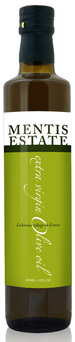
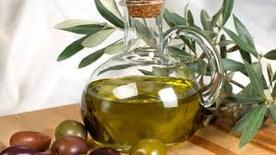
But even buying Greek has its choices. If you go to a Greek market you’ll find several olive oils from different regions. Oils listed as “Kalamata” are not necessarily made with Kalamata olives (if that’s what you’re looking for). Kalamata is a region in Greece and where Kalamata olives come from, but the region also produces other kinds of olives used to make oil, so read the label. If you’re confused (and a lot of people are), use Kukla’s rule of thumb. Look for the darkest color, and, if you’re serving it at the table, go extra-virgin with the lowest acidity. Our favorite is Karpathian olive oil—fruity, low-acid, and completely delicious. Unfortunately what’s made in Karpathos, stays in Karpathos…unless you go for a visit and buy some to bring home. Since the island of Crete is a neighbor, it’s not surprising that its oil is also notable—0 to .7 percent acidity, cold pressed, unfiltered, extra virgin…and it’s available in the U.S. Olive oil from Crete (above left) is what we use in our recipes and it makes a noticeable and delicious difference. Also highly recommended (by Kukla's Kouzina) is Mentis Estate extra-virgin olive oil from Laconia, Greece—a pure unblended olive oil with an acidity of less than 0.5%. This aromatic and fruity oil is well-balanced with characteristics described as pine, floral, nutty, buttery, and pungent, with a hint of artichoke. Once you dip your bread in this oil you'll be spoiled forever!

In the end it really comes down personal to taste, so narrow down your choices, buy a small bottle, and try it out. If you’re happy with it, you can go back for a larger bottle or can. If there’s room for improvement, try a different one. Make it a tasty adventure of discovery and enjoy the journey to good food and good health! As Kukla would say "Stin iyia sou!"  To your health!

storing
You’ve got your bottle of olive oil, now what? Store it in a cool, dark place, like your kitchen cupboard (away from the stove) for up to 6 months. If you use a lot of it, you can buy a large can (which is less expensive than buying it by the bottle) and pour it into a tinted bottle fitted with a spout (wine bottles are perfect, just wash them out first). That way you can refill the bottle as needed and keep the bulk of the oil stored and protected.
Picture
cooking
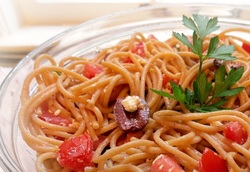
Enjoy your olive oil in this fresh summertime pasta dish and start your own Odyssey!

Pasta with Tomatoes, Kalamata Olives, and Feta
A refreshing and tasty recipe with authentic Greek flavor that's quick and easy to make!

Serves 3 to 4 people

Ingredients 
1 ¾ pounds pasta (any shape is fine)
3 or 4 tomatoes, seeded and cut into 1/2-inch pieces or
       1 pint cherry tomatoes, halved
9 ounces imported feta cheese, crumbled
1/2 cup pitted kalamata olives
3 tablespoons drained capers
2 teaspoons fresh thyme leaves
1/4 teaspoon sea salt, plus more for cooking pasta
1/8 teaspoon freshly-ground black pepper
1/3 cup extra-virgin olive oil, plus more for drizzling
Fresh flat-leaf parsley, for garnish

Preparation
1. Cook the pasta according to package directions until al dente. Drain.
2. Meanwhile, in a large heatproof serving bowl, combine the tomatoes, feta, olives, capers, thyme, salt, and pepper.
3. In a medium skillet, heat the olive oil over moderately low heat until hot but not smoking, about 1 minute. Add the cooked drained pasta to the olive oil and toss just until coated and heated through, about 1 minute. Remove from heat, add the pasta and any oil in the skillet to the tomato mixture, and toss until combined. Lightly drizzle with olive oil and garnish with parsley, if desired.

Serve and enjoy!
Recipe © copyright Kukla's Kouzina: A Gourmet Journey~Greek Island Style, kuklaskouzina.com

shopping
Mentis Estate
Titan Foods (Astoria, NY)
Mediterranean Foods (Astoria, NY)

We hope you had fun in this one-on-one with olive oil. For more on the process of making olive oil with a visit to our favorite producer, Mentis Estate, read next week's blog: Olive Oil~Branch to Bottle. Stay tuned for more upcoming blogs on Greek ingredients, with recipes that will make them shine!

Sign up for our e-newsletter (if you haven’t already) and stay connected on social media for cooking tips and recipes, as well as for all Kukla's Kouzina updates and news.

Thanks for following us and we’ll see you next Monday.

Until then~
Kali orexi! Good appetite!

Kelly
Bookmark and Share
resourses
Mayo Clinic: Mediterranean Diet for Heart Health
CNN: The 5 Things You May Not Know About Olive Oil
Whole Foods: The World’s Healthiest Foods

Copyright © Kukla's Kouzina: A Gourmet Journey~Greek Island Style / The Naked Truth About...Greek Cooking!     

Web design by Kelly Salonica Staikopoulos
7 Comments

Olive Kouzina

6/11/2018

0 Comments

 
Bookmark and Share

Beyond Kalamata

Picture
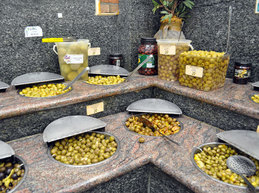
Greek olives (ελιές, pronounced ehl-YEHS) are not just about kalamata. They come in a vast assortment of colors, shapes, and sizes, as well as flavors. From brined to dry-cured, almond-shaped to oval, plain to herbed, pitted to stuffed to pureed, there are so many delicious varieties that boredom can’t find a seat at our table. 

                    “…the fruit of the olive tree is a great boon 
                             for everything needed in life…”
                       (Solon, Athenian lawgiver, 640-560 BC)

Picture
When it comes to olives, the word “Biblical” comes to mind. In Greek mythology, the olive tree was a gift to ancient Athens from the goddess Athena. The olive branch became a symbol of life to Noah as it revealed the receding of the great flood. Fossilized olive leaves were found to date back to 37,000 BC on the island of Santorini, and on the historic island of Crete, olive trees have been farmed for thousands of years, beginning with the Minoan Greeks who have been called the first to fully cultivate the olive. For those millennia this one fruit-tree variety has sustained life as a food, preservative, and pain reliever, with the wood providing a building material and fuel. Over the ages, olive oil has even enhanced the fragrance of life in perfumes. 

the olive tree says to its master:
"Care for me and I will nourish you.
Water me and I will make you rich"
(Greek proverb)
Picture
An essential element of Greek life for over 3,500 years, olives have emerged as the versatile enhancement to just about any course. They can be served on a meze table alongside a Greek cheese platter with a glass of wine or ouzo, they can be added to a salad, and they can be offered to guests at lunch or dinner to complement a menu. Olives are great for snacking, especially during Lent or other fasting times (see our Greek foods of Lent blogs) when they’re also incorporated into recipes to boost substance and flavor, while adding a healthful element to the meal. The old Greek saying, “Bread and olives, you call that a meal?” (“ψωμί και ελιές, φαγή το λες?” psomi ke elies, fagi to les, pronounced psoh-MEE KEH eh-lee-EHS, fah-yEE toh lehs), begs the answer “Yes!” (Ναί, n-EH), especially when you toss in some feta cheese!

Picture
Olive a variety…don’t you?

An exclusive olive variety can be found in just about every region of Greece, with some varieties named after the region they’re grown in. Greece is the world’s third largest producer (behind Spain and Italy) of olives and olive oil so you know Greeks are serious when it comes to their olives—they consume more olive oil than any other European country (about 26 liters per person annually). 

Picture
Are you ready to enrich your Greek-olive IQ? Come find out as we explore the world of olives beyond kalamata with my olive guide (including the varieties we love to eat in our own kouzina), followed by in-store and online purchase options. 

Which variety will you love? Since variety is the spice of life, why not enjoy them all?!

Kouloumbotes
(dry-cured, black, small)
These black crinkly gems from Karpathos are related to the Thrubolea variety and are an island delight. They’re tree ripened and hand picked, making them especially fruity and sweet, as well as tender. After curing, they’re lightly coated with extra-virgin olive oil, resulting in a perfect food (they’re made into delicious olive oil too!). Kouloumbotes can be found growing in most Karpathian villagers’ backyards (including ours) and are served at every taverna on the island.

Picture
Thasou / Thassou
(dry-cured, black, small to medium)
The wrinkled black Thrubolea (throumpa/throuba) olive comes from the island of Thasos/Thassos in the northern part of the Aegean Sea and is a bit larger than the famed Moroccan, with a smaller pit making this variety meatier. Thasou olives are ripened on the tree so they loose their bitterness before they’re picked. Once dry-cured, they are lightly coated with extra-virgin olive oil and mildly seasoned with sea salt. They’re intensely fruity and nutty in flavor. To serve, drizzle with extra-virgin olive oil and sprinkle with fresh oregano.

Picture
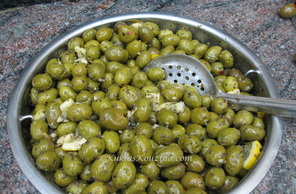
Agriniou / Agrinion with spices
(brine-cured, green, jumbo, oval)
This is a meaty, smooth-skinned, medium-green olive that comes from the Conservolia tree in Agrinio near Greece’s west coast by the Ionian Sea. The Agriniou olive’s firm, juicy flesh is effortlessly removed from the pit, making them easy to eat or use in recipes. Once brined, the fruity olives are lightly coated with extra-virgin olive oil, and tossed with oregano, lemon slices, and garlic cloves. They also come with a coating of hot red-pepper flakes. Talk about savory and satisfying! 

Picture
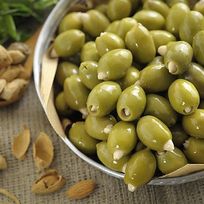
Amfissa or Halkidiki/Chalkidiki green olives stuffed with almonds
(brine-cured, green, large or jumbo, oval)
Tree ripened, these light- to medium-green, smooth-skinned, plump olives can be found in two varieties, the Conservolia, grown in the hills of Amfissa near the ancient city of Delphi (home of the Oracle of Delphi), or more often the larger, lighter green Halkidiki/Chalkidiki from the region of the same name in northern Greece. They’re picked when very large in size (to accommodate the stuffing), then slowly brined, producing a fruity and mild olive with a crisp skin and meaty flesh. The pits are replaced with whole blanched almonds for an irresistible spin on the plain olive…or plain almond for that matter!

Picture
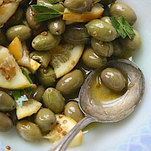
Nafplio
(brine-cured, green, small to medium, almond-shaped)
These light-green olives are of the Megaritiki variety and grow in the valley of Argos near Nafplion on the eastern coast of the Peloponnesian Peninsula. They have a crisp, firm texture, and a faintly smoky, nutty flavor. Nafplio olives are available plain, spiced with coriander seeds, or coated with extra-virgin olive oil, and herbs, with slices of fresh lemon.

Picture
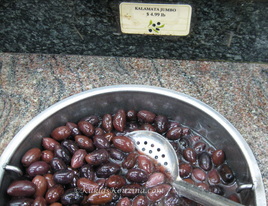
Kalamata
(brine-cured, purple, medium, large, jumbo, almond-shaped)
This famous light- to deep-purple olive comes from the Kalamon tree grown in the Kalamata region on the southwestern side of the Peloponnesian Peninsula. 

These olives are protected under the EU so they must be from this area and harvested from these trees to be called “kalamata,” so beware of labels like “kalamata-style” or “kalamata-type” as they will not be the real deal. Authentic kalamata olives can also be labeled “PDO Kalamata,” which refers to the olive's Protected Designation of Origin (the PDO label is used on other Greek olive varieties as well). 

Kalamata olives are smooth, tight-skinned and meaty, and are imparted with a richly unique fruit-wine flavor from the addition of red wine or red-wine vinegar to the brine during the curing process. This olive comes in a variety of sizes, though the medium and large can be firmer than the jumbo. As for the shade, the deeper the color, the riper the fruit. These olives also come pitted for easy serving in salads, baking in breads, or pureeing for olive spread.

Picture
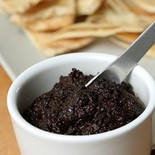
Olive spread
(from kalamata olives)
This is a deep-purple tapenade made purely from kalamata olives. Flavored with a dash of lemon juice and oregano makes it ideal for spreading on crackers or bread as a meze, or for use as a topping on fish and vegetables. Our favorite brands are Iliada and Castella—they have the perfect balance of flavors and texture.

Picture
Got Greek Olives?
The following in-store and online options will have you saying “Ναί!"

If you’re in the New York City area you can find these Greek olives (and more) at the following markets (they do phone orders and ship as well):

Titan Foods
25-56 31st Street
LIC, N.Y, 11102
718-626-7771

Mediterranean Foods (2 locations)
22-78 35th Street
Astoria, NY 11105
718-721-0266

30-12 34th Street
Astoria, NY 11103
718-728-6166

Sahadi’s
187 Atlantic Avenue
Brooklyn, NY 11201

If you don’t live near these markets but have a Greek Orthodox Church nearby, chances are they know of a Greek/Mediterranean shop in the area.

Online shopping is the next best thing but you won’t find the selection that’s available in-store. Here’s where you can find Greek olives, as well as other foods and items:

Titan Foods
Sahadi’s
Recipiada
Greek Internet Market
Amazon
igourmet.com
​
If you can’t get enough of Greek olive culture, check out my blogs Olive Oil Odyssey and Olive Oil~Branch to Bottle (a behind-the-scenes look at our favorite olive-oil producer, Mentis Estate).

I hope you enjoyed Olive Kouzina. Some of these olives will be featured in recipes in our upcoming cookbook. Stay tuned for more uniquely Greek and Karpathian foods that you can add to your kouzina pantry. 

Sign up for our e-newsletter (if you haven’t already) and stay connected on social media for cooking tips and recipes, as well as for all Kukla's Kouzina updates and news.

Thanks for following us and we’ll see you next Monday!

Until then~
Kali orexi! Good appetite!

Kelly

Bookmark and Share

Sources
The Dr. Oz Show~Mediterranean Superfood: Olives
International Olive Oil Council
USDA
​
Kalamata Olives: One of the Healthiest Foods on Earth | Nutrition Advance
​worldatlas.com
Parthenon: Olive fruit

Copyright © 2018 Kukla's Kouzina: A Gourmet Journey~Greek Island Style / The Naked Truth About...Greek Cooking!    

Web design by Kelly Salonica Staikopoulos
0 Comments

Grain Kouzina

3/19/2018

0 Comments


Greek “Grain of Tooth”

Picture
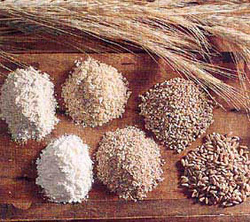
Greek grains come in different forms, and are a fiber-rich food of the Mediterranean Diet. From ancient times to today’s kouzina, they’re considered an essential ingredient in Greek cooking, and are one of the main components of fasting and Lenten meals.

From pearly-white rice to whole-wheat kernels, grains fortify some of the most popular Greek dishes, including appetizers, main courses, sides, and desserts. This is a Greek kouzina staple that can perform in the background or take a bow center stage. Are you ready to take a bite? …did I hear a “yes”? Lets go then!

Here’s my guide of the most used grains in our kouzina, followed by in-store and online purchase options.

Picture
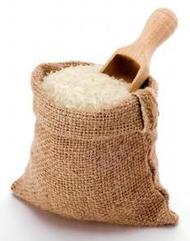
Rice (ρύζι)
(reezi, pronounced REE-zee)

The five basic types of rice most commonly used in Greek cooking can be found in translucent, pearly whites (similar in appearance to Arborio) and pale-yellow to brown hues, with sizes ranging from medium to long grain.

Glassé (γλασέ, ghlah-SEH, meaning glossy): white medium grain. Best for soups like magiritsa (Pascha/Easter lamb soup) and desserts.

Carolina (καρολίνα, kah-roh-LEE-nah): white medium to long grain. Best for stuffings like dolmadakia (stuffed grape leaves), risotto, and desserts like rizogalo (rice pudding).

Nychaki (νυχάκι, nee-HAH-kee, meaning little fingernail): white long grain. Best for pilafs like spanakorizo (rice with spinach) and salads.

Kitrino (κίρτρινο, KEE-tree-noh, meaning yellow): parboiled (converted) white long-grain rice that has turned a pale yellow after processing. Best for gemista (stuffed foods) like stuffed tomatoes and peppers, pilaf, and rice side dishes.

Kastano (καστανό, kah-stah-NOH, meaning chestnut colored): brown rice. Can used as a substitute for white or yellow rice in many recipes to add healthy fiber to a meal.

Picture
Pourgouri / Pligouri  (πουργούρι / πλιγούρι) 
(pronounced poo-RYOO-ree / plee-YOO-ree)

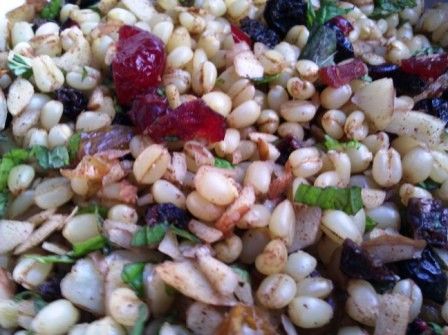
Bulgur wheat. Interchangeable with kritharaki, trahana, or kofto in a number of dishes, pourgouri makes soups, salads (above), and side dishes heartier. It can also be cooked alone and served with yogurt.

Pligouri Salata (πλιγούρι σαλάτα, pronounced plee-YOO-ree sah-LAH-tah), Bulgar Salad, is a toss of bulgur, herbs, cucumber, and tomato, which make it as visually appetizing as it is delicious.

Picture
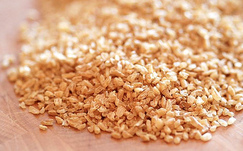
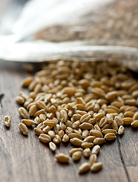
Farro or wheat berries (φήρον)
(pronounced FEE-rohn)

The whole berry of the wheat grain is used to make salads but it’s best known as the main ingredient in koliva, the decorated dish prepared and offered at Greek memorials. The memorial service for departed loved ones is customarily held immediately after Sunday liturgy, with the koliva placed on a table in front of the alter. The service remembers the souls of those who have passed, during which time everyone prays for their eternal memory and resurrection.

Why farro?
When a wheat seed is planted (buried) in the soil, it eventually emerges as a new plant. In the Greek Orthodox faith, one must die and be buried in order to be resurrected. The wheat in the koliva symbolizes this cycle of eternal life, emphasizing rebirth and regeneration. This ancient custom was derived from Jesus Christ when he spoke about the Resurrection: "Unless the grain of wheat falls into the earth and dies, it remains alone, but if it dies it bears much fruit." (John 12:24)

What’s in Koliva (κόλλυβα)?
(pronounced KOH-lee-vah)

Koliva is basically made up of boiled whole-wheat berries, raisins, pomegranate seeds (for fertility/rebirth), walnuts, sesame seeds, parsley, and sugar. This mixture is mounded on a plate and completely covered with powdered sugar, then decorated with nonpareils and Jordan almonds (koufeta), making the sign of a cross and often the initials of the person the service is being held for. After the conclusion of church services, the koliva are offered to everyone during coffee hour. Because they have been blessed, any leftover koliva can not be thrown away so it’s customary to toss them onto grassy areas for animals and birds to feed on.
Picture
Picture

Got Greek Grains?

The following in-store and online options will have you saying “YES” !

If you’re in the New York City area, you can find these Greek grains (and more) at the following markets (some items are available on their websites):

Titan Foods
25-56 31st Street
LIC, N.Y, 11102
718-626-7771

Mediterranean Foods (2 locations)
22-78 35th Street
Astoria, NY 11105
718-728-0266

30-12 34th Street
Astoria, NY 11103
718-728-6166

If you don’t live near these markets but have a Greek Orthodox Church nearby, chances are they know of a Greek/Mediterranean shop in the area.

Online shopping is the next best thing (or maybe the first). Here’s where you can find Greek grains, as well as other foods and items:

Recipiada
Parthenon Foods (bulgur)
igourmet.com (farro)

I hope you enjoyed Grain Kouzina. Many of these grains will be featured in recipes in our upcoming cookbook! Stay tuned for more uniquely Greek and Karpathian foods that you can add to your kouzina pantry.

Sign up for our e-newsletter (if you haven’t already) and stay connected on social media for cooking tips and recipes, as well as for all Kukla's Kouzina updates and news.

Thanks for following us and we’ll see you next Monday.

Until then~
Kali orexi! Good appetite!

Kelly
Bookmark and Share

Copyright © 2018 Kukla's Kouzina: A Gourmet Journey~Greek Island Style / The Naked Truth About...Greek Cooking!    

Web design by Kelly Salonica Staikopoulos

0 Comments

Legume Kouzina

3/12/2018

5 Comments


The Greek Beanery

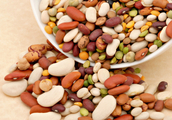
Greek legumes (beans), or ospria (όσπρια, pronounced OHS-pree-ah), come in a wide range of unique shapes and sizes, and are the protein-rich foundation of the Mediterranean Diet. From ancient times to today’s kouzina, they’re considered the backbone of fasting and Lenten meals. 

Bean counter

Picture
From giant gigantes to tiny fava, there’s a bean for every palate and at least one recipe that has made each one famous, as well as famously delicious. Their flavorful versatility makes them staples in the Greek kouzina so I put together a guide of our most used ospria, followed by in-store and online purchase options.

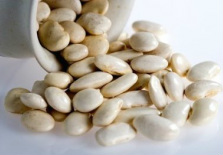
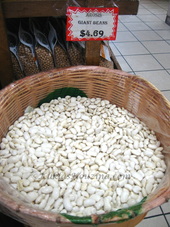
Gigantes (γίγαντες)
(pronounced YEE-yahn-dehs)

Literally translated, gigantes means “giant” and it’s probably the largest white bean you’ll ever see. Really large lima beans can be substituted but it’s worth it to seek out gigantes for the ultimate texture and flavor of the dish you’re preparing.

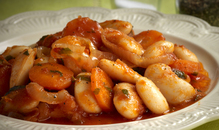
Gigantes Plaki (γίγαντες πλακί, pronounced YEE-yahn-dehs plah-KEE): These beans are baked in a thick, herbed tomato sauce and are buttery-tender to the bite. 
Picture
Picture
Picture

Koukia (κουκιά)
(pronounced koo-KYAH)

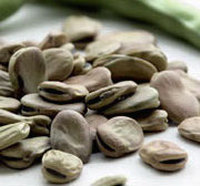
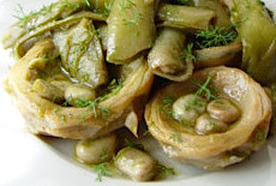
Koukia are fava beans (or broad beans) that are used dried as well as fresh.

Anginares me Koukia (αγκινάρες με κουκιά, pronounced ah-ghee-NAH-rehs meh koo-KYAH): An artichoke and fava-bean (dried or fresh) dish that’s flavored with fresh dill and lemon. Young bean pods are tender so they can be used whole in this dish. When older, the beans are shelled and the inedible pods are discarded.
Picture
Picture

Fasolia (φασόλια)
(pronounced fah-SOH-leeah)

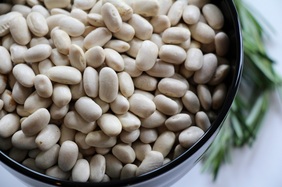
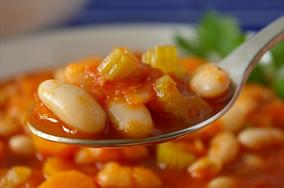
Fasolia are small to medium dried white beans similar to cannellini or Great Northern beans. When shopping at Greek markets, you’ll find them in two or three sizes. The one you choose is up to you. Just keep in mind that the larger the bean, the slightly longer the cooking time.

Fasolada (φασολάδα, pronounced fah-soh-LAH-thah): A hearty white-bean soup made with tomato, carrots, and celery. Serve with crusty bread.    
Picture
Picture

Fakes (φακές)
(pronounced fah-KEHS)

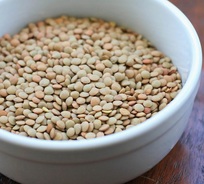
Fakes are lentils. In Greece the lentils are very small and greenish-brown in color, and are available in the United States at Greek/Mediterranean markets. Why go of out of your way for these little lentils? Well, they cook faster than the common larger lentils, but more importantly, they’re extra tender and flavorful.

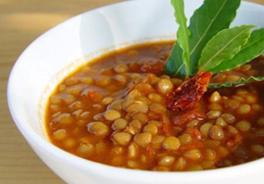
Fakes Soupa (φακές σούπα, pronounced fah-KEHS SOO-pah): This is lentil soup that can be made with carrots and/or a variety of vegetables, with or without olive oil (depending on whether or not you’re fasting), and always a zesty splash of vinegar.
Picture
Picture

Fava (φάβα)
(pronounced FAH-vah)

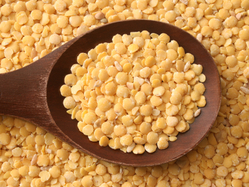
Fava is yellow split peas, not to be confused with fava beans. The freshest, most flavorful fava can be found at Greek/Mediterranean markets. Supermarkets also carry them but a side-by-side taste test will show you that they’re not nearly as good as the Greek ones.

Fava (φάβα, pronounced FAH-vah): This is the classic bright yellow purée that was named after its main ingredient, fava. For Greeks, fava (split peas) and fava (puree) go hand in hand as one was born to create the other. Fava is easy to prepare and, once plated, is topped with red onion and drizzled with olive oil and lemon juice. It can be served as a meze with pita wedges, or as a main dish.     
Picture
Picture

Revithia (ρεβίθια)
(pronounced reh-VEE-thyah)

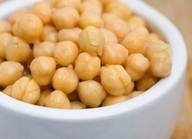
Revithia are chickpeas (also known as garbanzo beans) that are used in mezedes, soups, salads, stews, veggie side dishes, and main dishes.

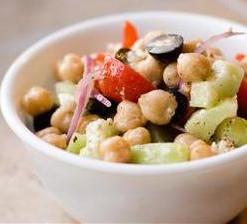
Revithosalata (ρεβιθοσαλάτα, pronounced reh-vee-thoh-sah-LAH-tah): A chickpea salad made with red onion, chopped tomato, and herbs, and finished with a Greek lemon-and-olive oil dressing, plus an optional crumble of feta cheese when not fasting.

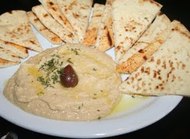
Houmous me Tahini (χούμους με ταχίνι, pronounced HOO-moos meh tah-HEE-nee): This is hummus made with tahini (roasted sesame seed paste) and is simple to make using a food processor. Homemade is much healthier than store-bought, with less fat and abundant chickpea flavor. Serve this dip/spread as a meze or side dish with pita wedges.
Picture
Picture
Picture

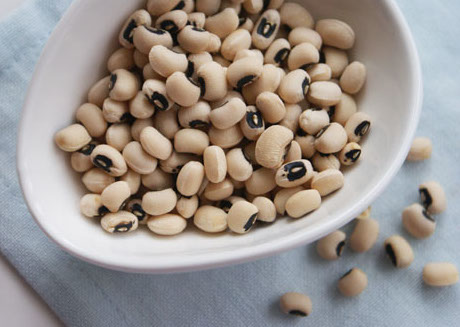
Fasolia Mavromatika (φασόλια μαυρομάτικα)
(pronounced fah-SOH-lee-ah mah-vroh-MAH-tee-kah)

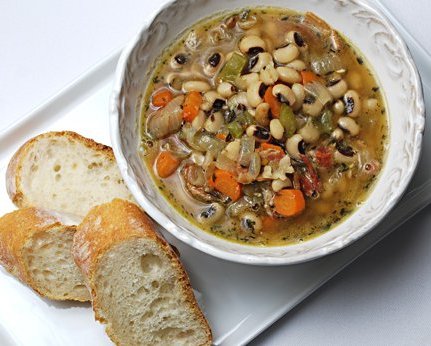
Fasolia mavromatika are black-eyed peas. Considered a New Year’s Day good luck charm in the south, they’ll make you feel like you hit the jackpot when you savor them in Greek-style soups or stews.     

Fasolia Mavromatika me Horta ke Maratho (φασόλια μαυρομάτικα με χόρτα και μάραθο, pronounced fah-SOH-lee-ah mah-vroh-MAH-tee-kah meh HOHR-tah keh MAH-rah-thoh): Black eyed pea soup gets a flavor boost from leafy greens and fresh fennel. Serve with warm crusty bread.

Fasolia Mavromatika me Loukaniko (φασόλια μαυρομάτικα με λουκάνικο, pronounced fah-SOH-lee-ah mah-vroh-MAH-tee-kah meh loo-KAH-nee-koh): When not fasting, this black-eyed pea soup with country sausage and greens is a delicious, hearty meal. It’s slow cooked to allow all the flavors to meld together and to make the beans creamy tender. 
Picture
Picture
Picture

Got Greek beans?
The following in-store and online options will have you saying “YES”!

If you’re in the New York City area you can find these Greek legumes (and more) at the following markets (if you're out of the area, you can call them and ask them if they can ship to you.):

Titan Foods
25-56 31st Street
Astoria, NY, 11102
718-626-7771

Mediterranean Foods (2 locations)
22-78 35th Street
Astoria, NY 11105
718-721-0266

30-12 34th Street
Astoria, NY 11103
718-728-6166

If you don’t live near these markets but have a Greek Orthodox Church nearby, chances are they know of a Greek/Mediterranean shop in the area.

Online shopping is the next best thing (or maybe the first). Here’s where you can find Greek legumes, as well as other foods and items:

Recipiada
Greek International Food Market
Amazon

I hope you enjoyed Legume Kouzina. These beans will be featured in recipes in our upcoming cookbook! Stay tuned for more uniquely Greek and Karpathian foods that you can add to your kouzina pantry.

Sign up for our e-newsletter (if you haven’t already) and stay connected on social media for cooking tips and recipes, as well as for all Kukla's Kouzina updates and news.

Thanks for following us and we’ll see you next Monday.

Until then~
Kali orexi! Good appetite!

Kelly
Bookmark and Share

Copyright © 2018 Kukla's Kouzina: A Gourmet Journey~Greek Island Style / The Naked Truth About...Greek Cooking!    

Web design by Kelly Salonica Staikopoulos
5 Comments

Mediterranean Diet Resolution: Scaling the Pyramid

1/29/2018

0 Comments

 
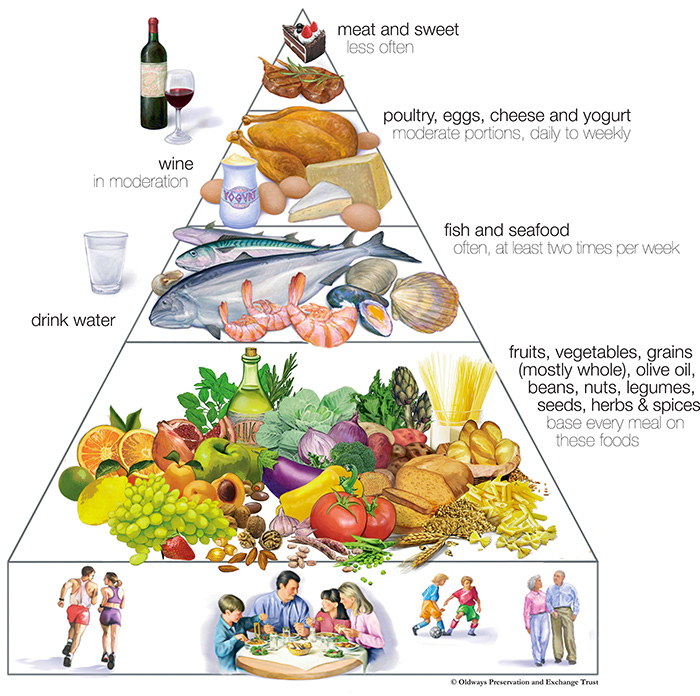
In the foodie world, the pyramid, from the Greek word pyramida (πυραμίδα), is the image chosen to illustrate the healthy amounts of foods we should consume. There’s a pyramid for just about every diet, and the Mediterranean Diet Pyramid is a tasty one that’s worth the climb! It’s not about making it to the top but about the feel-good journey getting there.

My last three blogs covered what the Mediterranean Diet is all about, as well as its key components. Now you’re ready to take on the “Greek” pyramid with our ladder of success.
Picture

a simple plan: from the bottom up

This is one time that starting at the bottom is a good thing! Join us as we make our way up the pyramid, with yummy treats at the top to reward our hard work.

FOUNDATION: Exercise, social mealtimes, and water
Picture
Frequency: Daily

EXERCISE  If you don’t have a routine, start with walking for 15 to 20 minutes a day and work up to one hour by adding 5 minutes a day. (Check with your doctor before starting an exercise routine and ask what’s best for you.)
Picture
MAKE MEALS SOCIAL  It’s not just about what you eat but who you eat with. Enjoy meals with loved ones for overall wellbeing. Your state of mind and heart really make a difference!

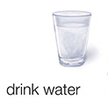
DRINK  Stay hydrated with 8 to 10 glasses of water a day (not sugary or artificially sweetened drinks like soda or diet beverages).


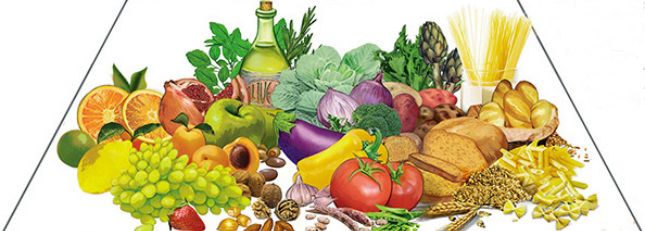
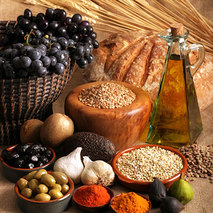
LEVEL 1: The Garden (fruits, vegetables, whole grains, legumes, olive oil, nuts, seeds, herbs, and spices)

Picture
Frequency: Base every meal with these foods.

Tips:
Breakfast really is the most important meal of the day! For an energy boost, start yours with whole-grain oats, fruit, and Greek yogurt.

Eat plenty of plant-based foods (a.k.a. veggies, fruit, legumes, and whole grains) throughout the day. 
~Vegetables are more than just a side…add them to your omelet, pizza, soup, or stew.
~Toss ¼ cup of beans into your salad along with orange sections and a citrus vinaigrette.
~Switching from white rice to whole-grain brown rice makes a huge difference in adding nutrition to your meal.

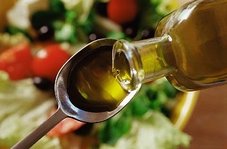
Ditch the butter and margarine and replace them with extra-virgin olive oil. It’s good for your heart and your taste buds.

Go vegetarian once or twice a week.


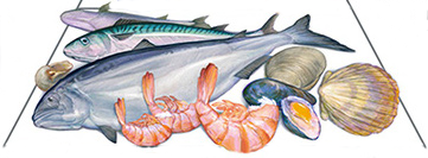
LEVEL 2: The Sea Level (seafood—the healthy-fat protein)
Picture
Frequency: Two to three servings per week (three is better!). One serving can be just 3 ounces or up to 6 or 8 ounces.

Tips:
~To get the most out of this level, go for seafood high in omega-3s like wild sockeye salmon, fresh tuna, halibut, stripped sea bass, lake trout, mackerel, sardines, herring, and oysters. Of course you can add in other fish as well, so enjoy the bounty of the sea!
~In addition to main courses, seafood can be served as an appetizer, or tossed into a salad, and can fortify a rice dish.


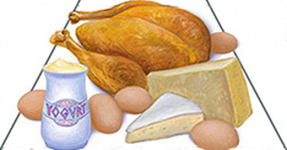
LEVEL 3: The Farm (yogurt, eggs, cheese, and poultry) & Vineyard (red wine)
Picture
Picture
Frequency: Limit yogurt to one serving (6 ounces) per day or every other day. 
Limit eggs and poultry to two to three servings per week. 
Limit cheese to two servings per week.
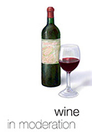
Have one glass of red wine, daily to weekly, with your meal (check with your doctor first if you’re on any medication or have health issues).

Tips: 
~For yogurt and cheese, sheep’s- and goat’s-milk are the easiest to digest.
~Go for low-fat Greek yogurt and add in fresh berries and walnuts for an irresistible parfait.
~Look for eggs with omega-3s and reduced cholesterol.
~Organic free-range chicken is a healthier and more flavorful way to go.
~Enjoy your red wine with lunch or dinner (a meal is a must) daily (just one per day), weekly, or anything in between, as desired or as your health allows. Research has shown that red wine ties the Mediterranean Diet together. 


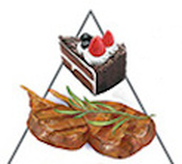
LEVEL 4: The Butcher Shop & Confectionary (red meat and sweets) 
This is the extravagance level at the top of the pyramid and one you can eliminate from your diet if you desire.

Picture
Frequency: Limit red meat to one to three servings (about 3 ounces each) per month. 
Limit sweets to one serving per week or less.

Tips:
~When choosing red meat, look for organic, grass-fed lean cuts.
~You can have your “cake” and eat it too but every day isn’t such a good idea. Instead of sweets, eat fruit for dessert during the week and save the baklava for the weekend—consider it a special treat!
~Think of these foods as rare and exclusive, as well as something you earned, and you’ll enjoy them more than ever.

Now that you found your way to the top of the pyramid, you know the best way to get there!

Click here for deliciously-healthy sweets recipes.

I hope you enjoyed this month’s Mediterranean Diet Resolution series and that it helps make your New Year a healthy and happy one. Stin iyia sou! To your health!

If you missed our previous three blogs on this topic, here's your chance to catch up:
Mediterranean Diet Resolution
Mediterranean Diet Resolution: Power Up with Omega 3s
Mediterranean Diet Resolution: Fats, Fiber, and Flavor

Sign up for our e-newsletter (if you haven’t already) and stay connected on social media for cooking tips and recipes, as well as for all Kukla's Kouzina updates and news.

Thanks for following us and we’ll see you next Monday.

Until then~
Kali orexi!  Good appetite!

Kelly
Bookmark and Share
resources
Mediterranean Diet overview
A Little Wine Boosts Omega-3 in the Body
Mediterranean Diet 101

Copyright © 2018 Kukla's Kouzina: A Gourmet Journey~Greek Island Style / The Naked Truth About...Greek Cooking!    

Web design by Kelly Salonica Staikopoulos
0 Comments

Mediterranean Diet Resolution: Fats, Fiber, and Flavor

1/22/2018

2 Comments

 
Picture
Healthy fats and fiber, as well as flavorful herbs and spices, help to make this a uniquely delicious diet, and they come in a number of versatile forms and portions, making them easy to incorporate into your everyday meal plans. 

This week we explore the foods containing these elements to prep you for our Mediterranean Diet finale next week (you won’t want to miss it!).


good things come in small packages

Eating healthy doesn’t always mean eating a large amount of a particular food group. Some of the good stuff contains a bounty of benefits in small amounts.
Picture
HEALTHY FATS
Virgin and extra-virgin olive oil, because it’s a fruit oil, is an antioxidant food and a must-have staple in the Mediterranean Diet. When replacing butter (saturated fat) or margarine (trans fat) with olive oil (monounsaturated fat), it helps to reduce LDL (the bad cholesterol), can protect the body against free radicals (that can lead to cancer), and can add youthful years to your life. Now who doesn’t want that?

Just 2 to 3 tablespoons daily will help you extract the benefits from this oil without adding fat to your hips. Other antioxidant sources include vegetables and fruit, which you can enjoy in abundance.

Picture
Nuts  contain unsaturated fatty acids, as well as other nutrients. Like olive oil, nuts can lower LDL, have fiber (it makes you feel full), vitamin E (to support your arteries), and many have omega-3s. Replace your unhealthy eats (like potato chips) with just a handful of unsalted nuts for a crunchy, satisfying snack. They’re high in fat, as well as nutrients, so a little goes a long way (too much of even a good fat can put on the pounds, so portion control is key!).

Tip: They’re an easy smart-snack to pack and go!

Picture
FLAVOR
Herbs and spices are great for flavoring your meals, and they allow you to cut back on the salt. At the top of our herb list is garlic. Eating garlic helps to ward off a cold and can lower cholesterol. No matter how you slice, chop, crush, or mash it, ya gotta have garlic when it comes to making skordalia (garlic dip), slow-roasted lamb, lentil soup, and a ton of other dishes. In Greek cooking, its usual companion is lemon juice or vinegar, which balances out the flavor of each dish perfectly.

Tip: A clove a day can keep the doctor at bay!

fill up with fiber

Picture
Fiber’s claim to fame has always been that it helps to keep you regular, but did you know that eating good-for-you, high-fiber foods like fruit, vegetables, whole grains, and legumes can help you loose weight by making you feel full? And that’s not all it does, it also reduces your risk of type-2 diabetes and heart disease. Eat a variety of high-fiber foods daily to reap all the benefits they have to offer.

a simple plan

Picture
~Use olive oil (extra-virgin is best when eating raw, virgin is great for cooking) every day. Cook with it, add it to your salads and vegetables, and finish your fish dishes with a drizzle. Try it with a pinch of oregano in a baked potato or as a dip for bread instead of butter.

~Sprinkle nuts and seeds into your salads, add them to yogurt, use them as a topper for oatmeal, or fold them into batters, breads, and cookie dough.

~Add herbs and spices to your foods and taste before adding the salt. Your meals will burst with flavor instead of sodium.

~You’ll be surprised at how easy it is to get your daily dose of fiber! Add chickpeas, legumes, or cooked barley to a salad or combine with a veggie side dish to give it dimension. Have some hummus two or three times a week with a side of carrot or cucumber sticks. Add whole-oats granola (with dried fruit, nuts, and honey) to low-fat yogurt or eat it alone as breakfast or a snack—a ¼ cup will do it but once you start you won’t be able to stop…now there’s an irresistible snack to feel good about!

Click here for recipes.

I hope you enjoyed this week’s Fats, Fiber, and Flavor of the Mediterranean Diet, and that it helps make your New Year’s resolution one you can keep. Join us next week as we take a final look at this month’s Mediterranean Diet Resolution that will give you your map to success.

Sign up for our e-newsletter (if you haven’t already) and stay connected on social media for cooking tips and recipes, as well as for all Kukla's Kouzina updates and news.

Thanks for following us and we’ll see you next Monday.

Until then~
Kali orexi! Good appetite!

Kelly
Bookmark and Share
For more on the Mediterranean diet, check out our blogs: 
Mediterranean Diet Resolution
Mediterranean Diet Resolution: Power Up with Omega 3s

resources
Mediterranean Diet: More Than Olive Oil
Mediterranean Diet overview

Copyright © 2018 Kukla's Kouzina: A Gourmet Journey~Greek Island Style / The Naked Truth About...Greek Cooking!    

Web design by Kelly Salonica Staikopoulos
2 Comments

Mediterranean Diet Resolution: Power up with Omega-3s

1/15/2018

5 Comments


eat Greek and feel great!

Picture
The Mediterranean Diet is multi faceted, and one of its key elements is Omega-3 fatty acids. These are fats that are actually good for you.

This week we'll take a ride on the Alpha-and-Omega fast track to incorporating these healthy Omega-3s into your meals in simple and yummy ways.

omega-3s: why do I need these?

These are the healthy fats we should eat to keep our bodies and minds in great shape. They reduce inflammation throughout the body (inflammation can damage your blood vessels and lead to heart disease), they boost your brain power, and help reduce your cholesterol. Research has shown that people on the Mediterranean diet are less likely to develop heart disease, and it may also help with depression and diabetes. 

show me the omega-3s!

Picture
Foods bursting at the seams with omega-3 fatty acids include seafood, nuts/seeds, fresh vegetables, fresh fruit, and oils. 

Following is a grocery list to help you get started (with foods highest in omega-3s at the top), along with everyday tips:

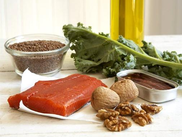
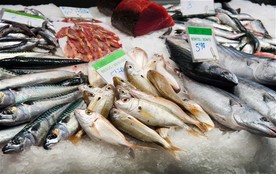
SEAFOOD (the fatty kind): this is the best source of omega-3s and you should have at least 2 to 3 servings (one serving can be just 3 oz) per week.

Salmon: season with applewood-smoked sea salt (for an outdoor-grill flavor) and cook in a cast-iron skillet.

Fresh Tuna: season with sea salt and freshly ground pepper, spray with canola oil and sprinkle with sesame seeds, then sear in a cast-iron skillet.

Halibut: season with sea salt and freshly ground pepper, then cook in a cast-iron skillet or a grill.

Stripped sea bass: season with sea salt and freshly ground pepper, then broil or grill. Serve with Ladolemono (olive oil, lemon juice, and chopped fresh parsley).

Lake trout: season with sea salt and freshly ground pepper, then broil or grill.

Mackerel: season with sea salt and freshly ground pepper, then fry, broil, or grill.

Sardines: fillet and add to a salad.

Herring: season with sea salt and lemon pepper, dredge in flour, then fry, broil, or grill.

Oysters: fried, broiled, or grilled…if it’s on the half-shell, it’s good!

Picture
NUTS
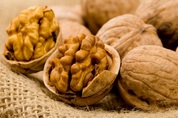
Walnuts (this one has more omega-3s than any other nut): just a 
¼ cup has a healthy dose of omega-3s. Sprinkle them on a salad instead of croutons to add flavor and crunch, or add to cookie or cake recipes (think Greek, like Baklava and Karidopita). 

Flaxseeds: two tablespoons​ will do it. Toss them in a salad (you’ll love the crunch), add to bread recipes, or stir ground flaxseed into waffle/pancake batter or oatmeal.

Pumpkin seeds: see flaxseeds.

Picturekale salad
VEGGIES
Look for leafy green vegetables to add fiber and antioxidant benefits to the nutritional mix.

Brussels sprouts: roasted or sautéed (toss in some walnuts to make it omega-3 special)

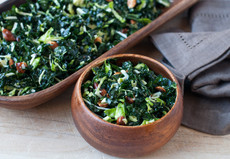
Kale/collard greens: sauté in olive oil, season with salt and freshly ground pepper, and finish with a drizzle of walnut or flaxseed oil.

Mint: add to salads (greens or fruit).

Parsley: add to salad greens.

Spinach: enjoy as a salad with a freshly-squeezed lemon juice-walnut oil vinaigrette; or cook, squeeze dry, and toss with Greek-style lemon juice-and-olive oil (the fresh lemon juice helps the body absorb the nutrients in greens).

Watercress: add to salad greens or serve as a side lightly drizzled with lemon juice and olive oil.

Picture
FRUIT
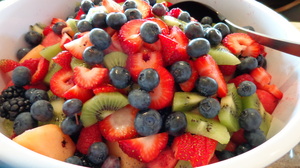
It’s all about the color and the bright ones are rich in omega-3s.  Add them to your cereal, toss a few different varieties together for a colorful fruit salad, or add to a green salad with a flaxseed-oil vinaigrette and sprinkle with walnuts (an omega-3 triple-threat!).

Citrus (oranges, grapefruit, lemons, tangerines, and limes)

Cantaloupe

Apricots

Berries (raspberries, strawberries, blueberries, blackberries, loganberries, and cranberries)

Tropical fruit (guavas, mangoes, kiwis, papayas, avocados)

Picture
OILS
Use them fresh, not cooked, as heat can break down the nutritional value of these delicate oils.

Flaxseed oil: one tablespoon is supper rich in omega-3s. Drizzle onto greens with a touch of balsamic vinegar.

Walnut oil: also rich in omega-3s, this oil is best used fresh in salads, on fruit, or to finish a dish.

Canola oil: it’s not just for cooking! This oil preforms especially well in flavorful salad dressings (when you want the focus to be on the other ingredients).

a simple plan: 5 easy tips on how to make every day omega-3 rich

1. Eat fish at least twice a week (three is better!). Try our cooking suggestions above and finish your recipe with one of the oils listed above to power up your omega-3s.

2. Add nuts or seeds to salads, cereal, batters (like muffin, waffle, cake), or bread recipes. Make a parfait of Greek yogurt, honey, and walnuts.

3. Have a healthy veggie side or salad prepared with one of the oils above.

4. Prepare a spinach or watercress salad using one of the oils above, and top with walnuts for three times the omega-3s!

5. Add a rainbow to your salad with some of the colorful fruit above or do a fruit salad. Add a tablespoon of walnut oil, a pinch of sea salt and freshly ground pepper, some walnuts, and fresh mint leaves and you’ll be loving it so much you’ll forget you just ate something healthy.

Toast to your health: Have a glass of wine with your meal! Research has shown that it can help metabolize poly-unsaturated fatty acids, like omega-3s. Stin iyia sou! To your health!
Picture
Picture
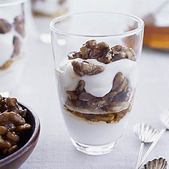
Greek yogurt parfait with walnuts and honey
Picture
Click here for recipes.

I hope you enjoyed this week’s omega-3 facet of the Mediterranean diet and that it helps jumpstart your healthy New Year lifestyle. Join us next week for another nourishing aspect of the Mediterranean diet.

Sign up for our e-newsletter (if you haven’t already) and stay connected on social media for cooking tips and recipes, as well as for all Kukla's Kouzina updates and news.

Thanks for following us and we’ll see you next Monday.

Until then~
Kali orexi! Good appetite!

Kelly
Bookmark and Share
For more on the Mediterranean diet, check out our blog: 
Mediterranean Diet Resolution

resources
American Heart Association
Harvard Medical School
Mayo Clinic
WebMD
WebMD fact sheet
University of Maryland Medical Center

Copyright © 2018 Kukla's Kouzina: A Gourmet Journey~Greek Island Style / The Naked Truth About...Greek Cooking!    

Web design by Kelly Salonica Staikopoulos
5 Comments
<<Previous
Forward>>
    Picture
    Subscribe to get our weekly e-newsletter and add "kefi" to your in-box. Be the first to hear about our new Greek food blogs, events (including cooking workshops), cookbook news, special offers, and much more. 
    ★ It's easy and it's FREE!
    SIGN UP NOW!

    about

    Picture
    Picture
    This Greek cooking blog is a companion to our  cookbook series 
    KUKLA’S KOUZINA: 
    A Gourmet Journey~
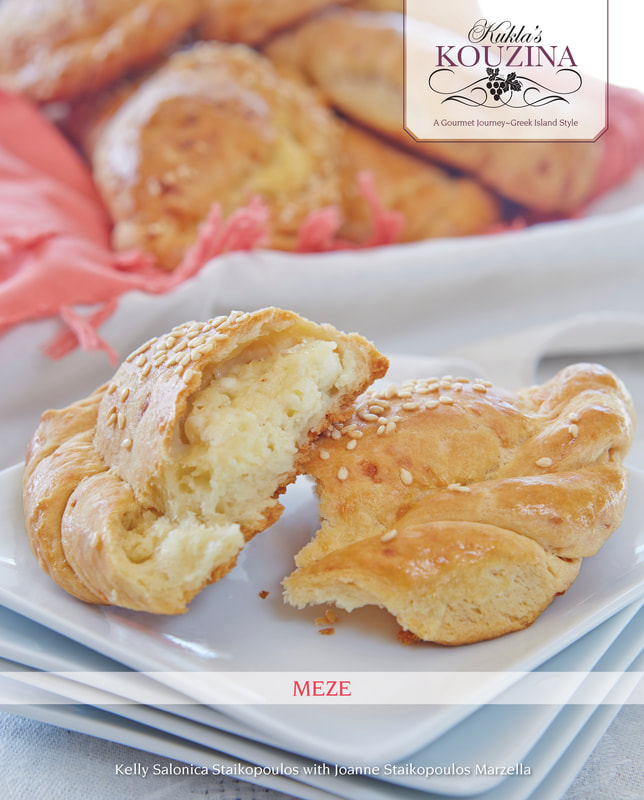
    Greek Island Style, including Meze 
    ​
    (Appetizers & Petite Plates) and Spreads & Dips, on Amazon. Visit our BOOKS page for more info.


    It's a Greek cooking school in your own home. Here you'll learn about Greek-island foods and will find cooking techniques that will demystify what is sometimes considered a complicated cuisine, allowing you recreate the dishes of the gods in your own kitchen! ​

    visit & follow

    Picture
    Subscribe to me on YouTube

    olive oil kouzina

    Picture
       This exquisite olive oil produced by Mentis Estate is hand picked and carefully pressed by local artisans, creating a pure unblended oil that is aromatic and fruity with an acidity of less than 0.5%. 
       Mentis Estate is truly the finest olive oil we at Kukla's Kouzina have ever tasted and it's our first choice for serving with crusty bread, drizzling on salads, and finishing a dish. 

       Check out our blog Olive Oil~Branch to Bottle to see what makes Mentis Estate so special. Delicious (υπέροχος)!

    author  
    Kelly Salonica Staikopoulos
    Read all about Kelly, Kukla's Kouzina's blogger, and the rest of our team in our about page!


    categories

    All
    About Kukla
    Anytime Flips
    Apple & Phyllo Minis
    Apple Recipes
    Apples & Cream
    Apples & Phyllo
    Apples Warm & Spiced
    Aprons On...Inhibitions Gone!
    Artichokes: Heart Your Salad
    Beef
    Blooper Videos
    Bread
    Bright Lamb Week
    Bright Week Kouzina
    Cake Recipes
    Chicken
    Chocolate
    Cocktail Kefi
    Cocktails That Say “Opa!”
    Cocktails With A Greek Twist
    Cookie Bloopers & Laughs
    Cut The [Greek] Cheese!
    Desserts
    Dessert Wine & Sweets Pairing ~ Part 2
    Dolmathakia (dolmadakia)
    Drink Like A Greek~OPA!
    Eat Your Fava
    Ekmek Kataifi
    Entertaining
    Entertaining Guide
    Fasting & Feasting~Greek Foods For Body & Soul
    Fasting Foods
    Feta
    Feta Feast
    Fish
    Flippin’ Dip It Greek
    Flippin’ For Pumpkin Fritters
    Flippin' Greek!
    Flippin’ Greek Br-EGG-fast Makeovers
    Flippin’ Greek Healing Foods
    Flippin’ Greek Lunch Makeovers
    Flippin’ Greek Pizza
    Flippin’ Greek Roasted Potatoes
    Flippin’ Greek Savory & Sweet
    Flippin’ Greek Slider Makeovers
    Flippin’ Greek Snacking
    Flippin' Greek Yogurt Dessert Makeovers
    Flour Kouzina
    Friend Your Fillo
    Fruit Recipes
    Get Into The Greek Spirit ~opa 2
    Get Your Souvlaki On
    Gift & Entertain~Mediterranean Style
    Gift Guide
    Gift The Mediterranean
    Go Greek Cooking 101
    Go Greek Cooking 101-the Basics
    Grain Kouzina
    Great Greek Pumpkin Pie (Kolokithopita)
    Greece~An Edible Revival
    Greece Cuisine
    Greece: Trending Edibles
    Greek Artichokes 101
    Greek Baking
    Greek Beans For Lent
    Greek Beverages/cocktails
    Greek Blue Zone Kouzina
    Greek Bread
    Greek Cheese
    Greek Cheese~delectable Varieties And Uses
    Greek Cheesefare Week
    Greek Chocolate Love
    Greek Christmas Cookies
    Greek Cookies
    Greek Cookies~Filling In Love!
    Greek Cooking With A Karpathos Island Twist
    Greek Cuisine
    Greek Custard & Fruit Pastry
    Greek Customs
    Greek Desserts
    Greek Diet
    Greek Dolmathes Dolmades
    Greek Dolmathes Dolmades~stuff Wrap Roll
    Greek Fish For Palm Sunday
    Greek Foods
    Greek Foods Of Lent
    Greek Grains
    Greek Herbs~Spices & Flavorings
    Greek Holy Week & Pascha~easter Foods
    Greek-Island Salads
    Greek~Karpathos Recipes
    Greek Kouzina In A Can
    Greek Lamb For Pascha (Easter)
    Greek Olives
    Greek Orthodox Great Lent
    Greek Orthodox Pascha~Easter
    Greek Pascha
    Greek Pasta
    Greek Pastry/pastries
    Greek Phyllo Pizza
    Greek Recipes
    Greek Snack Recipes
    Greek Spirits Dessert Wine And Sweets Pairing
    Greek Spirits Ouzo Tsipouro Brandy
    Greek Syrup Pastries
    Greek Traditions
    Greek Veggies For Lent
    Greek Village Eats
    Greek Wine And Food Pairing
    Greek Wine And Food Pairing (part 1)
    Greek Wine & Entrée Pairing
    Greek Wine & Meze Pairing
    Greek Wines
    Greek Wines And Spirits
    Greek Wine & Seafood Pairing
    Greek Yogurt
    Greek Yogurt In Pastry
    Greek Yogurt~Simply Homemade
    Growing Up In Kukla's Kouzina
    Herbs & Spices
    Honey
    Honey~An Ancient Treasure (part 1)
    Honey~An Ancient Treasure (part 2)
    Honeyed Feta & Yogurt Pastry
    Honey~Karpathian Gold
    It’s A Wrap!
    Karpathiko Spiti (Karpathian House)
    Karpathos
    Karpathos Beaches
    Karpathos Customs
    Karpathos Honey
    Karpathos Island Beach Paradise & Sports Mecca
    Karpathos Island Cooking & Foods
    Karpathos Sports
    Karpathos~Style Pickled Wild Sea Fennel
    Karpathos Wedding
    Koulourakia~Making The Perfect Twists
    Kukla’s Kouzina: 9 And Stacked
    Kukla’s Kouzina Celebrating 6 Yummy Years
    Kukla's Kouzina~Coming Full Circle
    Kukla’s Kouzina Flippin’ Greek!
    Kukla’s Kouzina Magic 8
    Kukla’s Kouzina: Perfect 10
    Kukla’s Kouzina~Sweet 7
    Lagana: Bread For The Spirit
    Lahanodolmathes (lahanodolmades)
    Lamb
    Leftover Phyllo Solutions
    Legume Kouzina
    Legumes
    Lemon Lust
    Lenten Chick…Pea Inspiration
    Lenten Cuisine~A Faith Inspired Journey
    Lenten Foods
    Lenten Kouzina Made Easy
    Lenten Wine Koulourakia
    Lent Me Some Loukoumades
    Marriage Traditions In Karpathos
    Meat
    Meat The Greek
    Mediterranean Blue Diet
    Mediterranean Charcuterie
    Mediterranean Diet For Lent
    Mediterranean Diet Resolution
    Mediterranean Diet Resolution: Fats Fiber And Flavor
    Mediterranean-diet-resolution-power-up-with-omega3s
    Mediterranean Diet Resolution Recipes
    Mediterranean-diet-resolution-scaling-the-pyramid
    Mediterranean Food Gifts
    Mediterranean New-You Guide
    Mediterranean Products
    Melomakarona Finikia Shaping Filling Dipping
    Meze/Appetizers
    Olive Kouzina
    Olive Oil
    Olive Oil~Branch To Bottle
    Olive Oil Odyssey
    Olive-Thyme Flatbread & Pizza
    Pasta Kouzina
    Pasta~Makaronia
    Phyllo/Fillo/Filo
    Phyllo/Fillo/Filo Recipes
    Pickling~Greek Island Style
    Pita-bilities
    Pizza
    Pork
    Pumpkin
    Pumpkin Pot Pie (savory Kolokithopita)
    Recipes
    Roasted Pumpkin By The Ladle
    Roasted-Tomato Summer Pasta
    Salad Flips
    Salad For Lent
    Seafood
    Sea Salt ~ Cook~Taste~Savor
    Sea Salt~Meze To Dessert Recipes
    Sea Salt ~ Natural & Flavored & Infused
    Shish Kabob
    Side Dishes
    Sideline
    Soups/Stews
    Souvlaki
    Super Bowl
    Super Game-Day ChicEats
    Sweets & Beverages
    Tailgate Fryers
    Taramosalata~Beyond Meze
    Tavernas & Restaurants Of Karpathos
    The Art Of Making Kourambiedes
    The Wedding Season~Karpathos Style
    Trending Edibles: Balsamic Glazes
    Trending Edibles: Crepes & Pita
    Trending Edibles: Liqueurs
    Trending Edibles: Sea Salt & Olive Oil
    Trending Edibles: Za’atar
    Valentine It Greek
    Valentine’s Day
    Valentine’s Day
    Valentine’s Day
    Vegetables
    Videos
    Village Cooking-horiatiko
    When Greek Meets Chocolate
    Whole Grains
    World Cup Greek Recipes
    World Cup Tailgating~Greece Scores The GOAL


    archives

    December 2025
    January 2025
    December 2024
    December 2023
    August 2023
    May 2023
    April 2023
    July 2022
    June 2022
    May 2022
    April 2022
    March 2022
    January 2022
    November 2021
    October 2021
    September 2021
    August 2021
    July 2021
    June 2021
    May 2021
    April 2021
    March 2021
    February 2021
    January 2021
    December 2020
    November 2020
    October 2020
    September 2020
    June 2020
    May 2020
    April 2020
    March 2020
    February 2020
    January 2020
    December 2019
    November 2019
    October 2019
    September 2019
    August 2019
    July 2019
    June 2019
    May 2019
    April 2019
    March 2019
    February 2019
    January 2019
    November 2018
    October 2018
    September 2018
    July 2018
    June 2018
    May 2018
    April 2018
    March 2018
    February 2018
    January 2018
    October 2017
    January 2017
    June 2014
    April 2013


    foodie links
    Kontos Foods
    Sahadi's
    ​Mediterranean Foods

    Titan Foods
    'Anama Concept
    Recipiada
    Grubstreet
    Eater

Powered by Create your own unique website with customizable templates.